

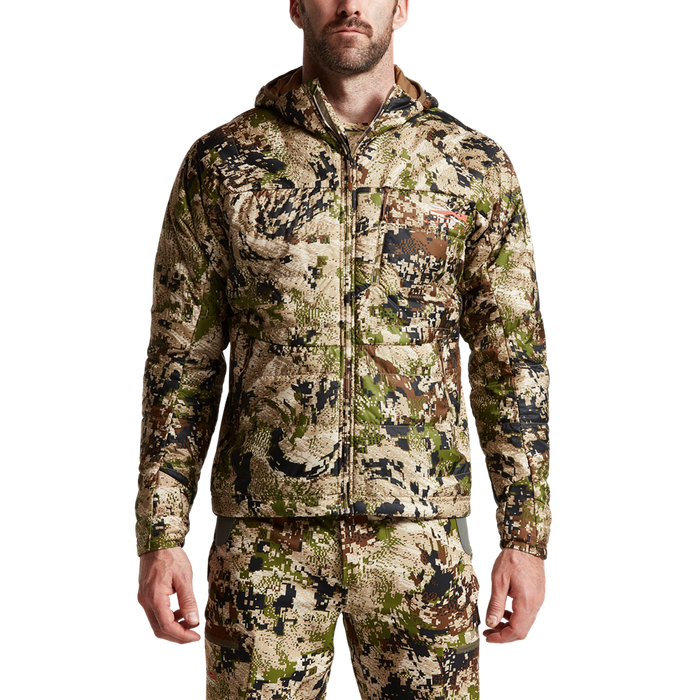
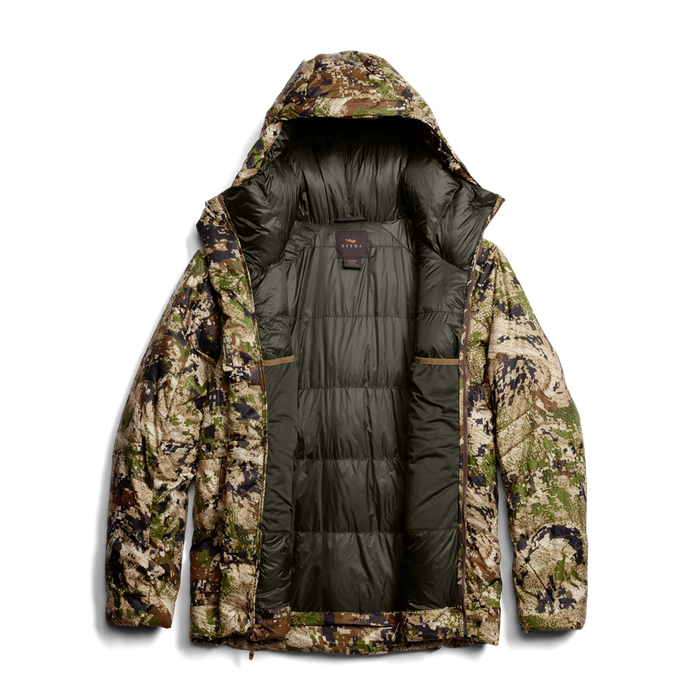
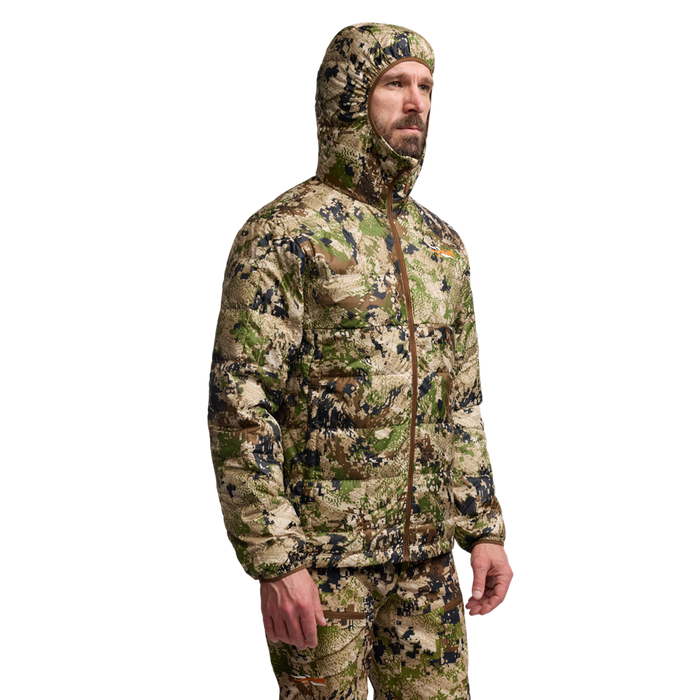
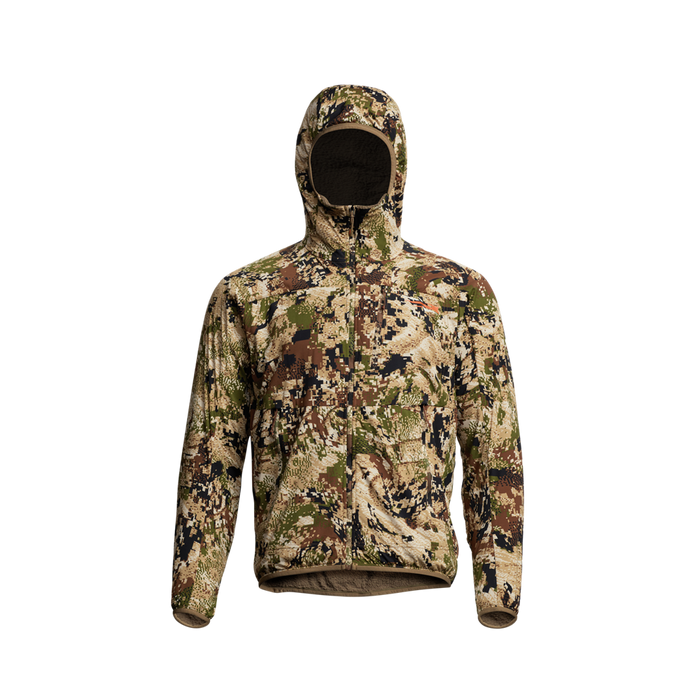
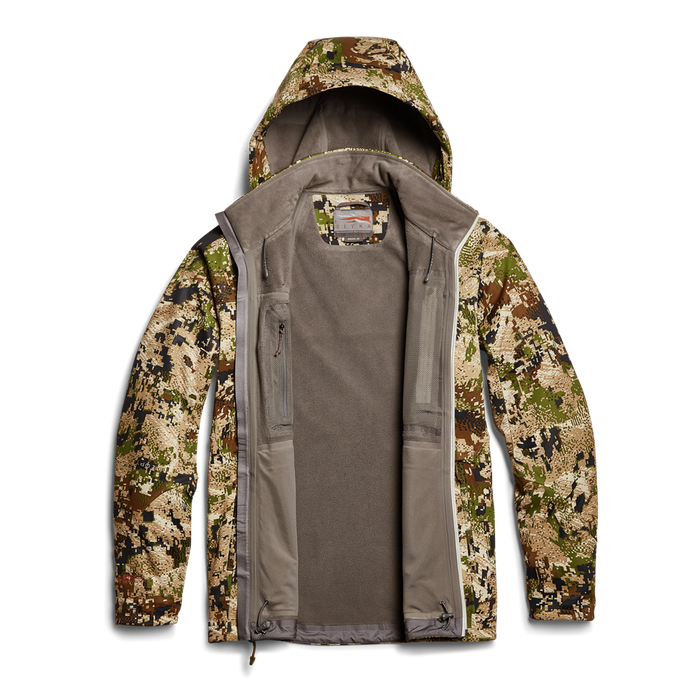
There is no single best waterproof hunting jacket — it depends on whether you are moving or sitting, how long you are out and how cold it gets. For long days moving in sustained rain, prioritise breathability and a well-designed hood. For stationary glassing in the cold, prioritise a fully sealed shell you can fit a heavy insulation layer under. Tell us the conditions and we will narrow it down.
Jackets & Wet Weather Gear
Waterproof hunting jackets and wet weather gear
Wet weather hunting gear built for cold, wet and exposed New Zealand conditions — waterproof jackets, rainwear and outer layers that keep working after the third hour of rain.
Most jackets sold as weatherproof are water-resistant. They shed a shower and wet out in sustained rain. This page is about the difference, and about the gear that holds up when the weather does not.
Selected for New Zealand wet weather
The Conditions
Built for cold, wet and exposed conditions
The best waterproof hunting jacket is the one matched to the conditions you actually go out in. These are the four that decide it.
Sustained rain
New Zealand rain arrives sideways and stays. A wet weather jacket has to hold out water for hours, not minutes.
Wind and exposure
Wind strips heat far faster than cold air alone. A sealed outer layer is the single biggest gain on an exposed face or tops.
Cold, wet stops
Getting wet is survivable. Getting wet and then stopping is where people get into trouble.
Long days moving
A jacket that is waterproof but does not breathe soaks you from the inside. Both matter, and they pull against each other.
Know the Difference
Waterproof vs water-resistant
The most expensive mistake in wet weather gear is buying water-resistant and expecting waterproof. Both have a place — they are not the same product.
Water-resistant
Sheds a shower
- A DWR coating makes water bead and run off
- Wets out once the coating is saturated
- Seams are usually stitched, not taped
- Lighter, more breathable, packs smaller
- Right for a dry forecast with a risk of drizzle
Waterproof
Holds out sustained rain
- A waterproof membrane behind the face fabric
- Keeps working through hours of driving rain
- Seams are taped or welded
- Storm flaps, sealed zips and a proper hood
- Right for a day you know will be wet
Getting It Right
Breathability and layering
Waterproofing is the easy part. Staying dry from the inside while you are moving is what separates a good wet weather jacket from a plastic bag.
Breathability is half the job
A fully sealed jacket that cannot vent will soak you in sweat on the climb. Look for pit zips, vents and a membrane rated to move vapour out.
The shell is the outer layer
A wet weather jacket is not insulation. It seals the system — warmth comes from the mid layer underneath it.
Mid layersSize it to layer over
Fit the shell over the warmest layer you will realistically wear under it, not over a t-shirt in a warm shop.
Layering systemThe hood decides it
A hood that turns with your head, seals at the face and clears a cap is the difference between usable and endured.
Wet Weather Range
SITKA wet weather options and rainwear
Where to start depending on how wet the day is going to be.

SITKA Wet Weather Options
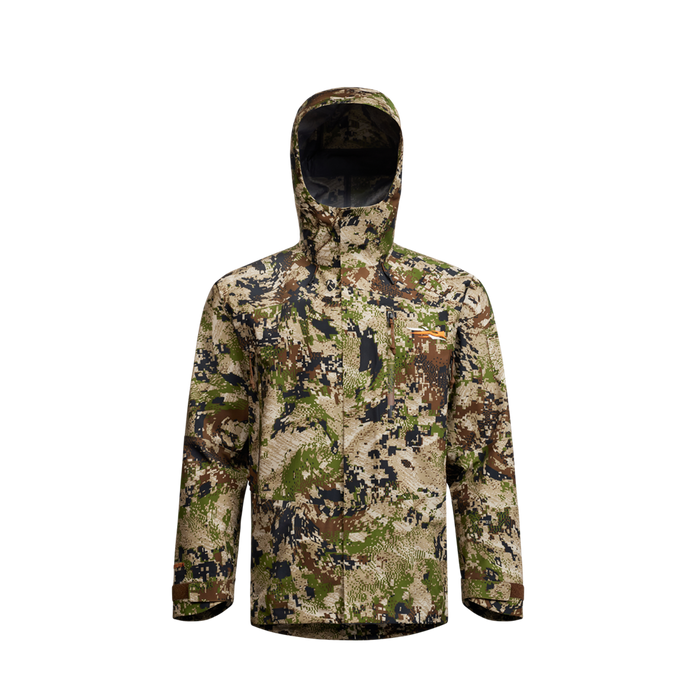
SITKA build their wet weather gear as part of a complete layering system — shells, insulation and base layers designed to work under each other.
Shop SITKA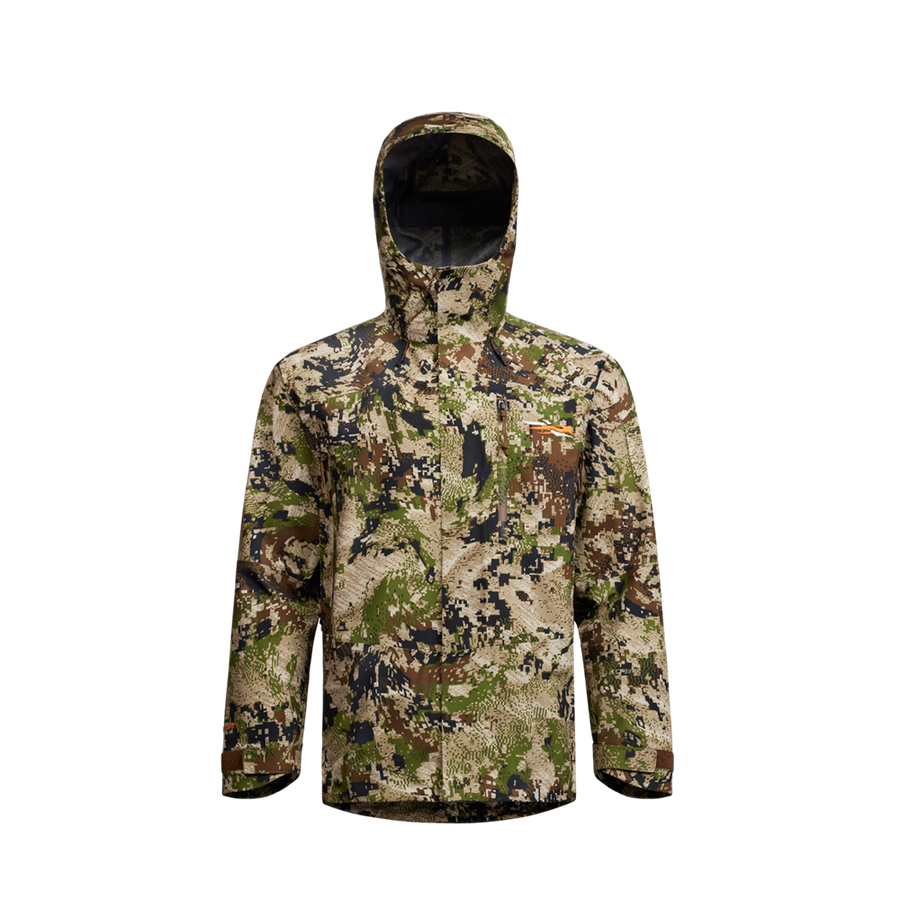
Rainwear
Dedicated wet weather protection for days you know will be wet from the start.
Shop rainwear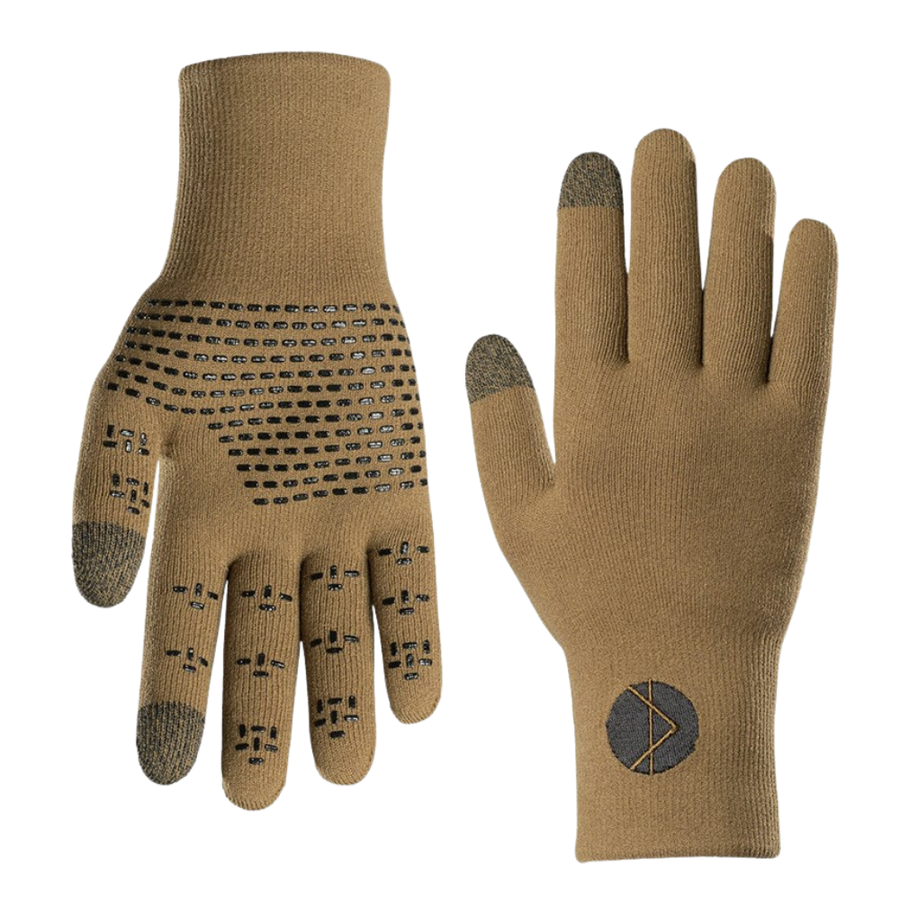
Waterproof Gear
Fully waterproof outer layers with taped seams and sealed construction.
Shop waterproofShop Now
Waterproof jackets and wet weather gear in stock
Jackets, shells and vests for cold, wet and exposed conditions.
Wet weather gear FAQs
What is the best waterproof hunting jacket for New Zealand conditions?
What is the difference between waterproof and water-resistant?
Water-resistant means a coating on the outside of the fabric makes water bead up and run off. It works until the coating saturates, then the fabric wets out. Waterproof means there is a membrane behind the face fabric that water cannot pass through, with taped or welded seams so it cannot sneak in at the stitching. For sustained New Zealand rain you want waterproof.
Do I need a waterproof jacket if I already have a warm one?
Usually yes — they do different jobs. Insulation keeps heat in; a shell keeps weather out. A warm jacket that soaks through stops being warm. The standard approach is a separate mid layer for warmth and a waterproof outer layer over the top, so you can adjust as the day changes.
Why do I get wet inside a waterproof jacket?
That is condensation, not leakage. If you are working hard in a sealed shell, sweat vapour builds up faster than the membrane can move it out. Vent it — open pit zips, drop the hood, slow down before the climb. A more breathable membrane helps, but no jacket keeps up with a hard climb in still air.
How do I look after wet weather gear?
Wash it. Dirt and body oils clog the face fabric and stop the DWR working, which is why an old jacket seems to wet out faster. Use a technical wash rather than normal detergent, then reproof it and warm it in a dryer or with an iron on low to reactivate the coating.
Specialist Advice
Tell us the conditions and we will match the jacket
Moving or stationary, bush or tops, a wet morning or a wet week — the right wet weather jacket depends on the day you are dressing for.